
Zero Waste, All Flavor with Chanya Punyakumpol of Taan Thai
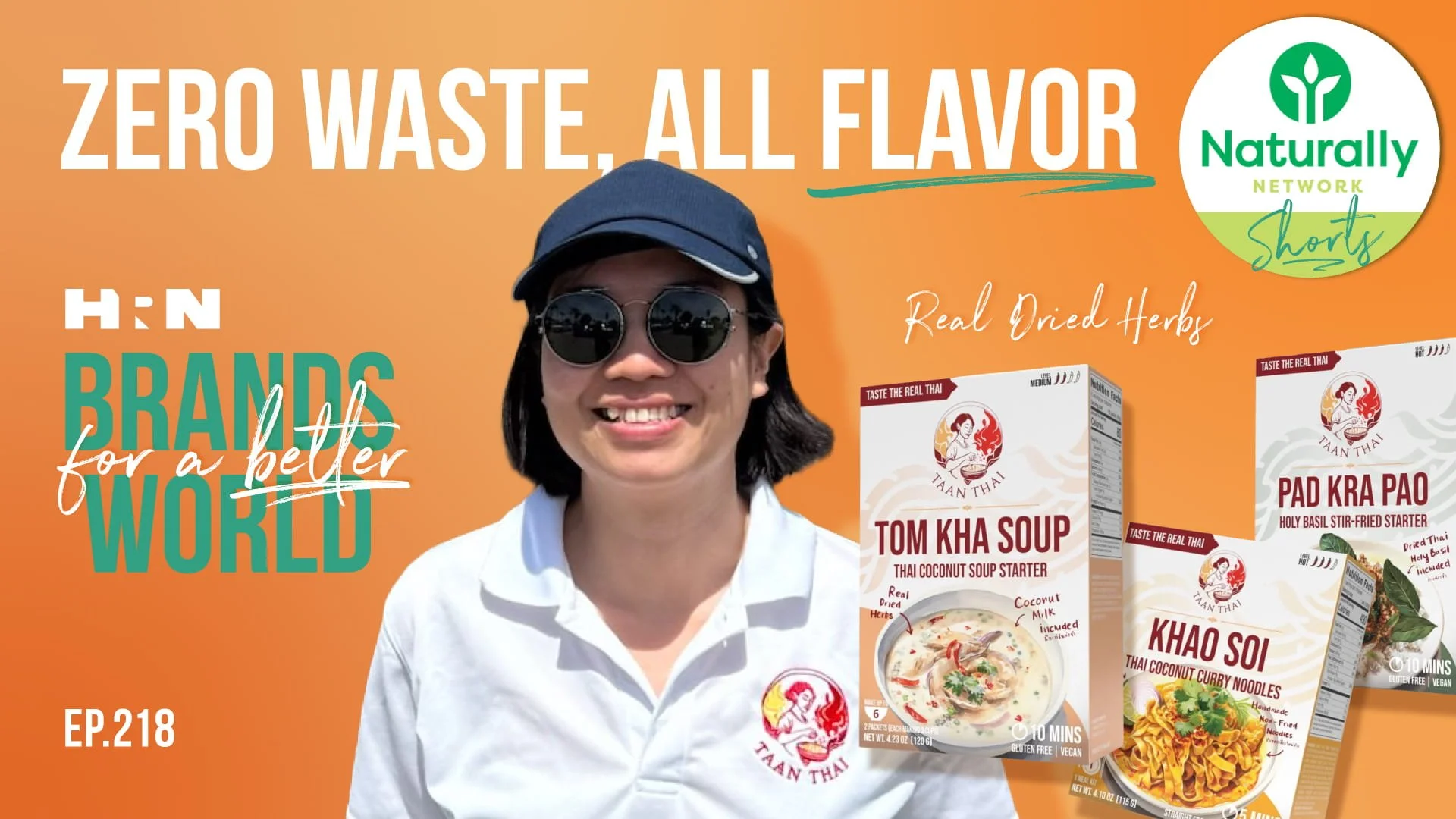
Chanya Punyakumpol, co-founder of Taan Thai, shares how a personal frustration when cooking Thai food at home sparked the creation of her brand. Instead of tracking down obscure Thai ingredients only to throw most of them away after one dish, she created perfectly portioned meal kits that contain exactly what you need, eliminating food waste without sacrificing authenticity.
She talks about sourcing real Thai ingredients directly from Thailand and building close relationships with local farms and factories near her production facilities. Chanya also reflects on the growing wave of ethnic foods making their way into mainstream retail, and what it means for communities to see their cuisines represented on grocery store shelves. She wraps up by reflecting on how Naturally Network is a rare space where founders can be honest about their struggles, trade hard-won tips, and remind each other that they're doing better than they think.
Key Topics
Taan Thai was born out of Chanya's frustration with the wasteful experience of cooking Thai food at home in the US.
Each kit is precisely portioned for one cooking session with no leftovers ingredients or food waste.
Thai holy basil — the essential ingredient in Pad Kra Pao — is seasonal and hard to find in the US, so Chanya sources it directly from Thailand and air dries it to preserve its authentic aroma.
The brand sources ingredients from local farms in Thailand and works with certified production facilities, creating a trickle-down economic benefit for local farming communities.
Chanya sees the rise of ethnic foods in mainstream retail as one of the most meaningful trends in the CPG industry, both for accessibility and cultural representation.
Sound Bites
"I don't want to throw the leftover coconut milk or leftover lemongrass that I didn't finish and create more food waste."
"A lot of restaurants don't use Thai holy basil leaves. They use Italian basil or Thai basil, which is completely different."
"We create a trickle-down economy that helps people locally actually get a part of the value we're creating."
"I see a lot of different ethnic food coming out and becoming available more in this market. I like it because I get to try different cultures, get to try different kinds of food I've never tried before."
"When you get to talk to people who are in the same space as you and being honest about it, we're like, oh, we also struggle on that."
Links